Powering the Future: Maximising Electrification for Business Growth
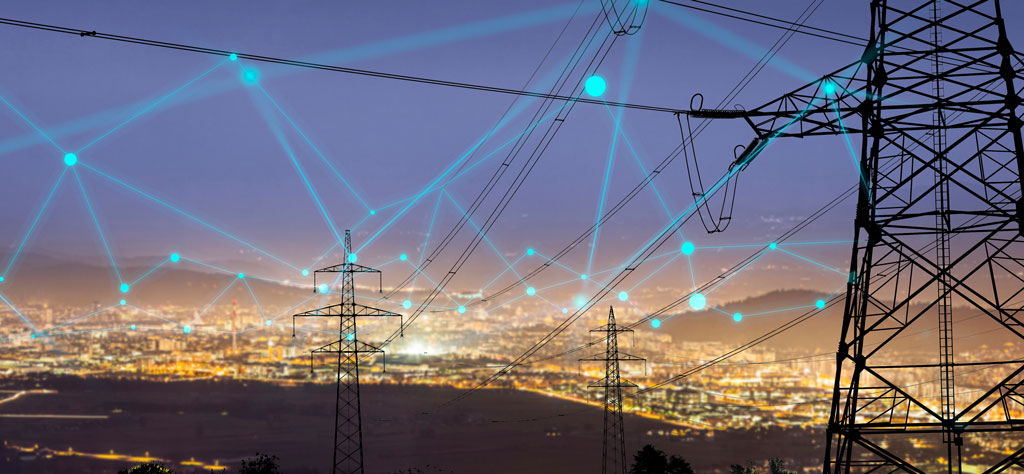
The push for electrification is gaining momentum across Australia. As industries pivot towards decarbonisation, medium to large businesses are recognising that transitioning from fossil fuels to renewable electricity is about future-proofing operations, reducing costs, and seizing competitive advantages.
The Growing Sector: A Shift Towards Renewable Electrification
The energy landscape is evolving rapidly. With advancements in technology and increasing regulatory support, businesses are moving away from fossil fuels and embracing clean electricity. Renewable electrification is a key pillar in the broader renewable energy strategy, offering improved energy efficiency, lower emissions, and long-term financial benefits.
At Northmore Gordon, we’ve seen a surge in interest from clients looking to electrify their operations, from manufacturing facilities to commercial buildings. The benefits are clear: reduced exposure to volatile fossil fuel prices, enhanced energy security, and alignment with corporate sustainability goals as the grid continues to green.
For high temperature applications, where electrification isn’t economically viable, there is growing interest in green gas, especially biomethane. Northmore Gordon will do article on that next time.
How Much is Being Spent on Electrification?
Electrification is a multi-billion-dollar movement. Australian businesses and governments are investing heavily, with state and federal funding exceeding $2 billion in recent years. Individual projects range from $100,000 for small commercial transitions to over $50 million for large industrial sites.
The Step-by-Step Process for Electrification
Transitioning to electrification requires careful planning. Our approach ensures businesses maximise benefits while mitigating risks:
- Energy Audit & Feasibility Study – Assess energy usage, identify high-energy processes, and evaluate electrification opportunities.
- Technology Selection – Determine the most suitable technologies (e.g., electric heat pumps, battery storage).
- Financial & Incentive Analysis – Identify applicable government grants, tax incentives, and funding.
- Project Design & Engineering – Develop an electrification plan with energy management strategies.
- Implementation & Integration – Install electrification technologies and integrate with existing systems.
- Monitoring & Optimisation – Track performance, fine-tune efficiency, and ensure cost savings.
Government Incentives: Making the Transition Viable
Governments at both state and federal levels are supporting businesses in their transition to renewable electrification. Incentives such as grants, tax rebates, and financing options help offset costs. For example, Australia’s Renewable Energy Target (RETThe Renewable Energy Target is an Australian Government scheme designed to encourage the additional generation of electricity from sustainable and renewable sources. The Renewable Energy Target works by allowing both large-scale power stations and the owners of small-scale systems to create large-scale generation certificates (LGCs) and small-scale technology certificates (STCs) for every megawatt hour of power they generate. Certificates are then purchased by electricity retailers (who supply electricity to householders and businesses) and submitted to the Clean Energy Regulator to meet the retailers' legal obligations under the Renewable Energy Target. More) and state-based schemes support solar, wind, and battery storage investments.
Navigating these incentives can be complex. That’s where we come in.
Understanding the Risks: Technology & Supply Challenges
While the opportunities in electrification are immense, businesses must be aware of potential risks:
- Technology Suitability – Not all solutions fit every business model; options include combinations of heatpumps, heat recovery, electrical and thermal storage and more.
- Electricity Supply Stability – Businesses may need to explore battery storage or demand management.
- Upfront Costs & ROI Uncertainty – A clear financial strategy is essential.
By partnering with Northmore Gordon, businesses can navigate these risks confidently, leveraging expert insights to make informed decisions.
How Northmore Gordon Works with You
At Northmore Gordon, we take a strategic approach to electrification, ensuring businesses maximise benefits while minimising risks. Our team helps clients:
- Assess energy usage and identify opportunities.
- Navigate and apply for funding and incentives.
- Design and implement tailored electrification strategies.
- Monitor and optimise energy performance post-implementation.
We’ve worked with numerous clients to transition to renewable electrification successfully. Read our case studies here.
Real-World Business Cases: Electrification in Action
Several companies have transitioned to electrification, demonstrating economic and environmental benefits:
- Manufacturing: A food production facility replaced gas-fired boilers with electric heat pumps, reducing energy costs by 25%.
- Commercial Buildings: A corporate office switched to an electrified hot water and HVACHeating, ventilation, and air conditioning is the technology of indoor and vehicular environmental comfort. Its goal is to provide thermal comfort and acceptable indoor air quality. systems, lowering emissions by 40% while accessing rebates.
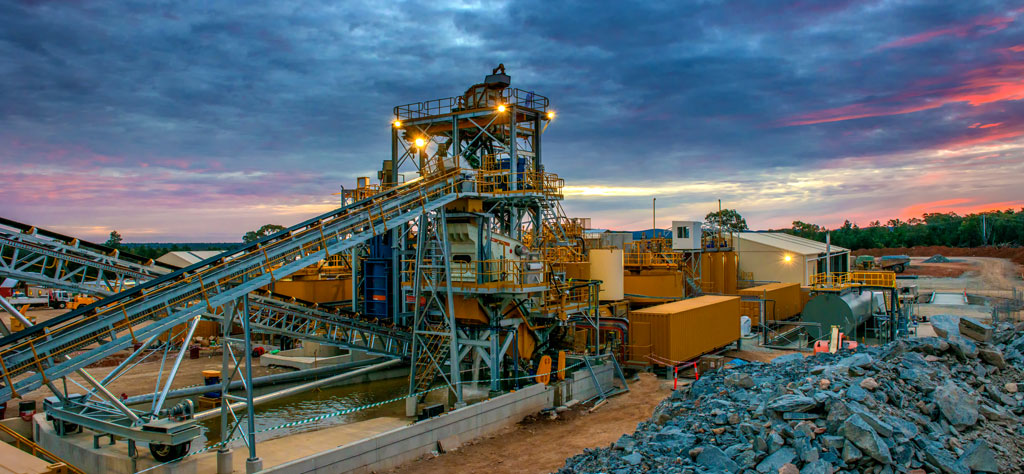
- Industrial Processing: A mining company implemented electric arc furnaces, cutting costs and securing renewable energy contracts.
Environmental Certificates & Compliance
Businesses transitioning to electrification can benefit from various environmental certificates:
- Large-Scale Generation Certificates (LGCs): For businesses generating renewable electricity.
- Small-Scale Technology Certificates (STCsSmall-scale Technology Certificate under the Australian Renewable Energy Target. More): Available for smaller solar, wind, and battery projects.
- State-Based Incentives: Such as the Victorian Energy Upgrades (generating VEECs) scheme and NSW Energy Saving Scheme (generating ESCs)
The Future of Electrification: What’s Next?
Looking ahead, electrification will continue shaping the energy landscape. Advancements in smart energy management systems, battery storage, and integrated renewable solutions will offer new opportunities. Government policies will also evolve, helping businesses stay ahead of the curve.
The time to act is now. Whether you’re considering electrification for cost savings, emissions reduction, or operational resilience, Northmore Gordon is here to guide you.
Get in touch with our experts today and let’s power your business into the future.
Disclaimer: The information in this article is general only and has been prepared without considering your business’ particular circumstances and needs. You should assess or seek advice from Northmore Gordon Environmental (AFSL 533927) on whether it is appropriate for your business’s objectives.