

How Energy Efficiency Prevent’s Costly Grid Upgrades at Industrial Sites
A recent webinar hosted by AZZO, “Three Ways to Avoid a Costly Electrical Upgrade,” brought together industry experts to share practical solutions that help avoid these expenses—while boosting operational performance.
If you’d like to listen to the full discussion, the video is linked here.
Smart Strategies to Stay Within Network Limits
James DiLiberto, CEO of AZZO, introduced three key strategies to manage energy demand effectively:
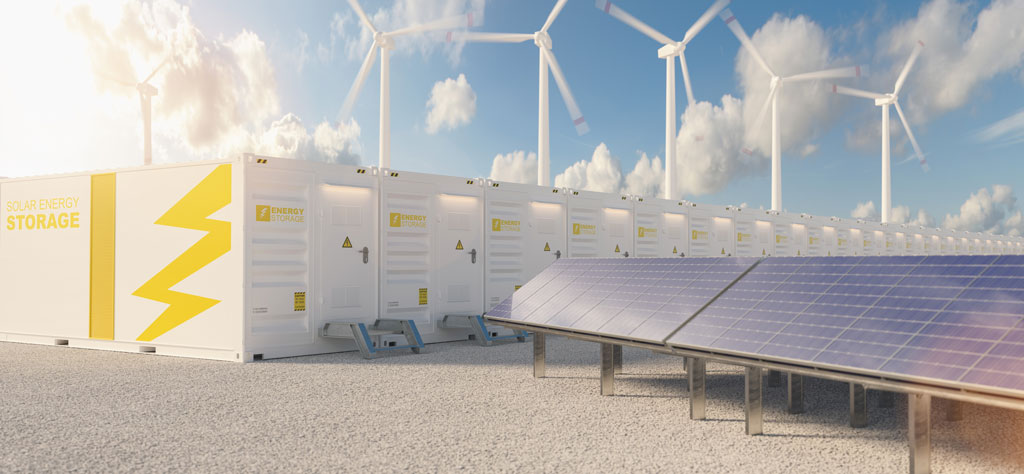
- Implement Energy Management Systems (EMS): These systems enable real-time load control and the integration of onsite generation—such as solar PVSolar Photovoltaic and batteries—helping sites operate within existing electrical limits.
- Use Smart Controls and Monitoring: By collecting and analysing granular energy data, facilities can optimise usage, reduce peak demand, and enhance overall energy efficiency.
- Integrate Onsite Renewables: Harnessing solar and battery storage not only cuts grid dependence but also eases the strain on legacy infrastructure, potentially deferring the need for upgrades.
Craig Morgan on the Value of Energy Efficiency
Craig Morgan, Group Sales Director at Northmore Gordon, offered further insight into how energy efficiency plays a vital role in this equation.
“When you reduce demand through energy efficiency, you’re not just lowering your bills,” said Morgan. “You’re freeing up capacity on your existing infrastructure, which can delay or eliminate the need for upgrades that often run into the hundreds of thousands—or even millions—of dollars.”
He shared examples of how Northmore Gordon has worked with industrial clients to conduct detailed energy assessments, helping them remain within the capacity of their existing transformers and feeders—thereby avoiding expensive and time-consuming grid upgrades.
A Strategic Imperative for Industry
With electrical network constraints increasingly common—particularly in older industrial estates and rapidly developing areas—these approaches are becoming critical for cost-effective growth. As Morgan noted, “In today’s energy environment, smarter use of energy is just as important as clean energy.”