Northmore Gordon helps you at all steps in the journey.
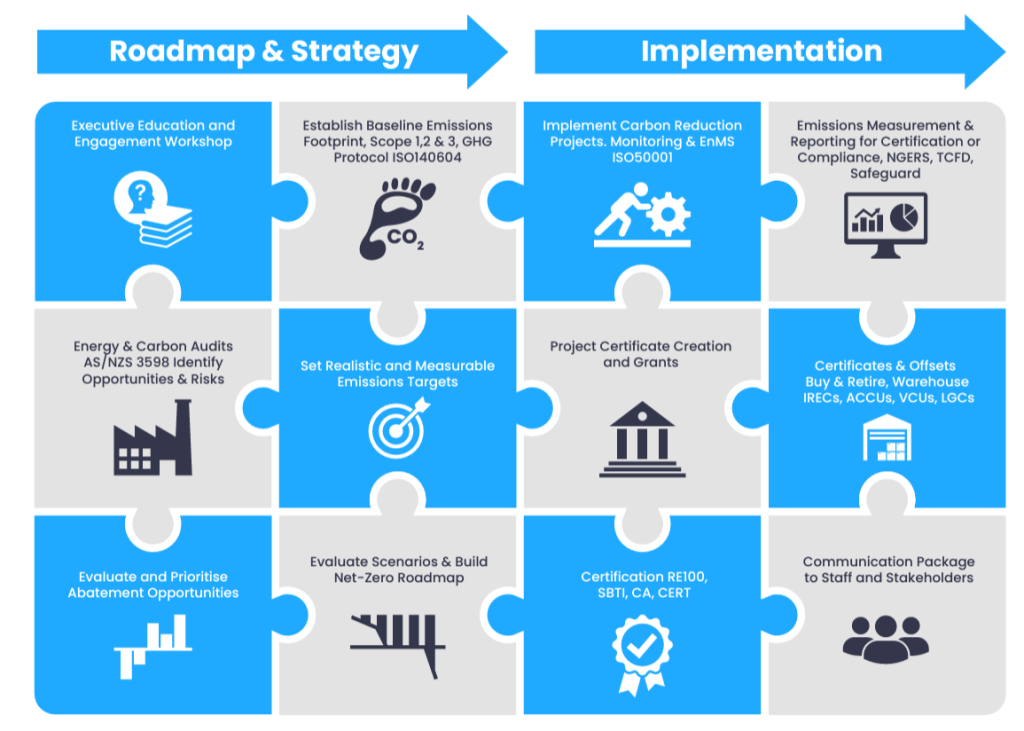
After executive education a great place to start is your baseline Scope 1 & 2 emissions.
A full Scope 1, 2, and 3 carbon footprint provides a foundation for making decisions about your Net Zero Roadmap. Whilst it can be relatively straightforward to calculate Scope 1+2, scope 3 is more challenging.
The process should be completed in line with the GHGGreenhouse gases trap heat in the atmosphere. They all have different global warming potentials (GWP) over different time frames, the higher the number, the worse the impact. For simplicity of accounting everything is referenced back to carbon dioxide which has a global warming potential of 1. There are over 200 GHGs listed in the IPCC fifth assessment report, a sample are below. Note that in current carbon accounting standards the 100 year GWP is used. Greenhouse gas 20 year GWP100 year GWPCarbon dioxide CO211Methane CH48428Hydrofluorocarbon HFC-134a37101300Chlorofluorocarbon CFC-1169004660Nitrous Oxide N2O264265Sulfur hexafluoride SF617,50023,500 Protocol.
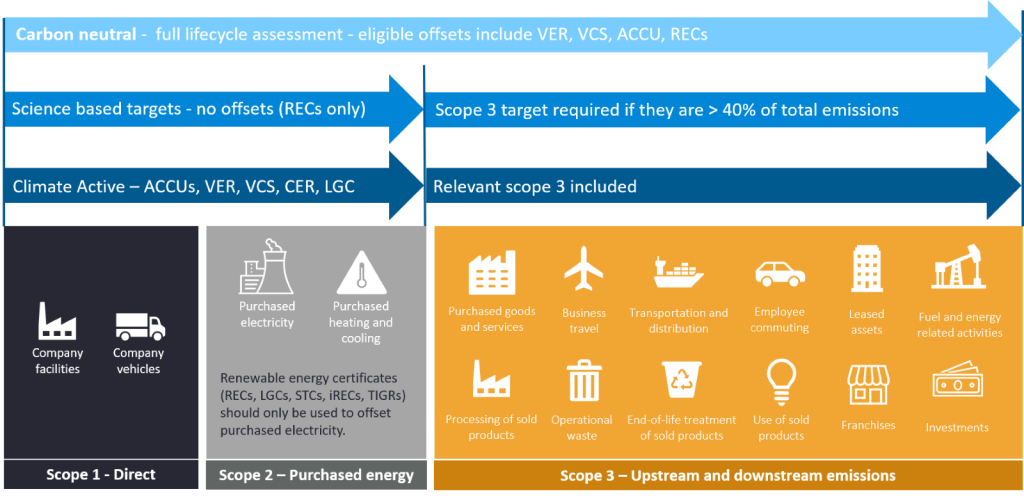
Scope 3 emissions include emissions that occur upstream and downstream of a company’s operations, such as emissions from suppliers of goods and services, and customer product use.
The diagram provided below visually represents the various emission categories within the GHG Protocol Corporate Standard for Scope 1 and 2 and the Corporate Value Chain Standard for Scope 3, along with their respective considerations within various recognized schemes.
Scope 3 emissions inventory development is a journey – we recommend the approach below.

Knowing your carbon abatement opportunities is central to meeting your net zero emissions targets. Northmore Gordon is an expert in evaluating physical and contractual carbon abatement opportunities for your business, including:
- Energy Efficiency Opportunities
- On-site renewable energy (e.g., biogas, solar)
- Renewable electricity and renewable bio-methane procurement options
- Greenhouse Gas Marginal Abatement Cost Curves
- Environmental certificates to quantify emissions or fund projects
Prioritising these opportunities in terms of their abatement potential and abatement cost creates a ‘Marginal Abatement Cost (MAC) Curve. This helps guide you on what to do first and informs your capital plan!
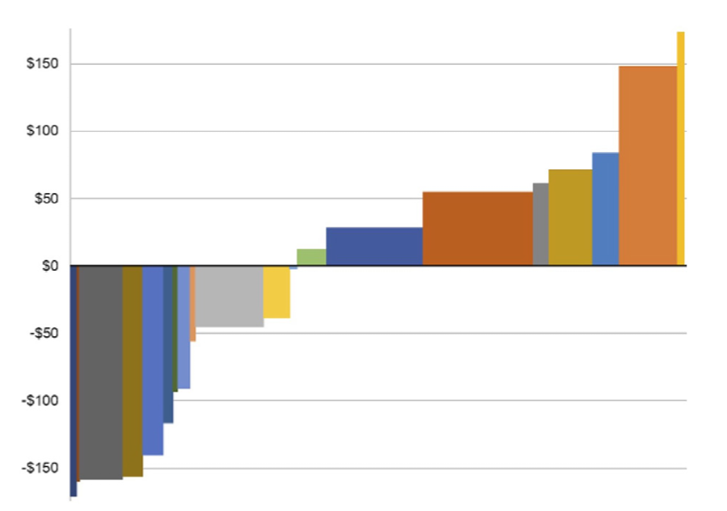
Marginal Abatement Cost Curve – ranking projects
Most pathways to Net Zero are not linear, and there are multiple routes to the end goal. Once you understand your carbon footprint, the challenges are:
- Setting a realistic carbon target – how much reduction and by when?
- Stakeholder engagement – getting people behind the vision and driving action
- Creating a realistic plan – what resources will you need (money, time, people)?
- Implementation – how am I going to communicate this and deliver?
To develop the plan Northmore Gordon can help you to
- Develop costed projects that will help to eliminate your emissions
- Develop your Marginal Abatement Cost Curve.
- Develop a number of scenarios that take into account total cost, benefits, risk, and technology readiness.
- Engage your Executive and Management Teams to decide on what scenario best suits your business
- Help you set a carbon target
- Engage Stakeholders
- Create a realistic plan
- Implement
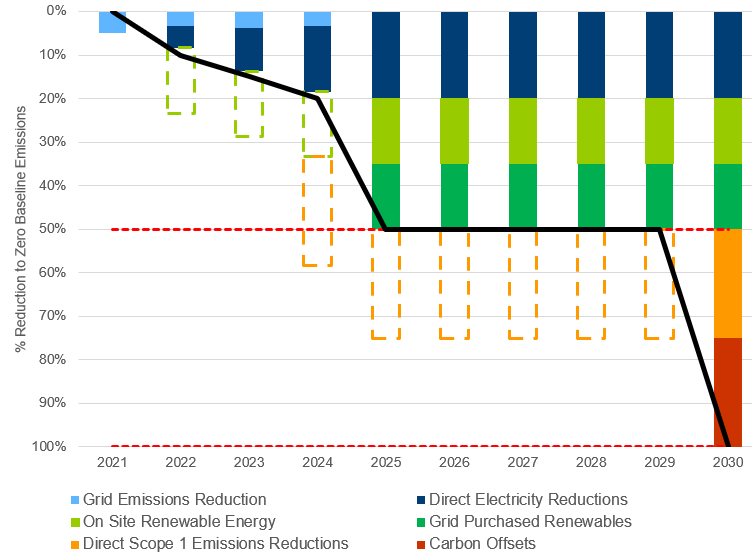
Responding to the challenges in the 21st Century requires a business strategy that draws on market leading knowledge of sustainability practices, recognized certification schemes, competitor commitments, and engages with key stakeholders. Northmore Gordon will work with you to develop a strategy which addresses:
- Net Zero Pathways
- Carbon offsets and renewable energy procurement
- Stakeholder engagement
- Setting emissions reduction targets
- Action Plans
- Risk mapping