
The Power of Big Battery Storage: BESS Unlocking the Future of Renewable Energy for Business
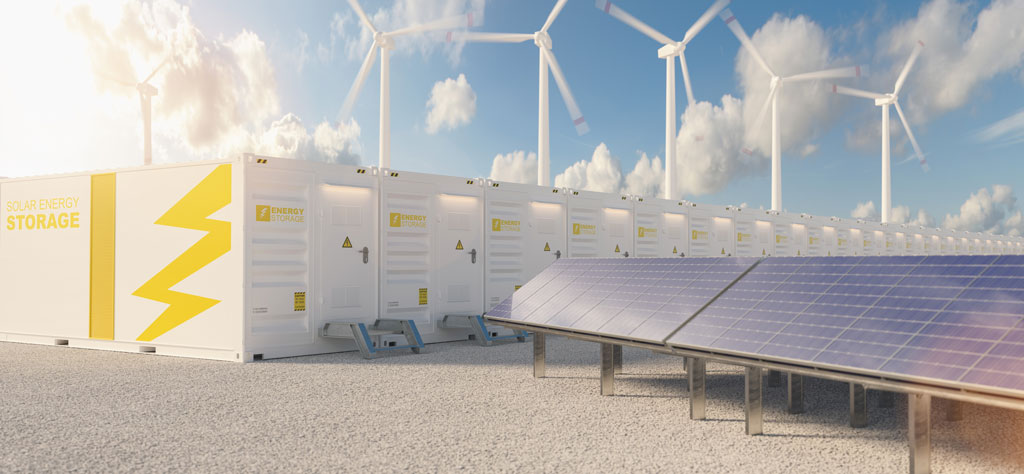
As businesses across Australia and the world transition to a low-carbon future, one technology stands out as a game-changer: big battery storage. At Northmore Gordon, we work closely with large enterprises to integrate battery storage into their energy strategy, ensuring sustainability, resilience, and cost savings.
The Rise of Battery Storage: A Global and Local Perspective
Globally, battery storage has become a critical enabler of renewable energy. Countries like the United States, Germany, and China are investing heavily in large-scale batteries to stabilise their grids and reduce reliance on fossil fuels. Australia, with its abundance of solar and wind energy, is at the forefront of this revolution. Projects such as the Victorian Big Battery and Hornsdale Power Reserve in South Australia demonstrate the vast potential of energy storage in managing supply and demand fluctuations.
The market for battery storage is booming. BloombergNEF forecasts that global energy storage installations will reach 1,095 gigawatt-hours by 2030, a twentyfold increase from 2021 levels. In Australia, the Clean Energy Council reports that investment in battery storage projects is accelerating, driven by decreasing costs, government incentives, and corporate sustainability commitments.
The Australian Energy Market Operator (AEMO’s) integrated system plan calls for a fivefold increase through to 2030. Given Bloomberg’s forecast, it may well be much greater. Storage is critical to the energy transition and achieving high penetration of renewable energy. It’s critical for the grid and is critical for business.
Why Battery Energy Storage System (BESS) is Essential for Business
For medium to large businesses, a Battery Energy Storage System (BESS) is not just about sustainability—it’s about resilience and efficiency. Here’s how it fits into a broader renewable energy strategy:
- Energy Cost Savings: Businesses can store excess solar energy during the day and use it during peak hours when electricity prices are higher, reducing grid reliance and energy bills.
- Demand Charge Reduction: Many businesses pay significant demand charges. Batteries can help smooth out peaks in energy use, minimising these costly surges.
- Backup Power and Reliability: Batteries provide a safeguard against power outages, ensuring operations continue uninterrupted.
- Sustainability and Carbon Goals: Integrating battery storage helps businesses meet corporate sustainability targets and regulatory requirements for emissions reductions.
Private and Government Incentives
Energy Retailers and the Australian government is backing battery storage through various initiatives, making it an even more attractive investment for businesses.
- Virtual Power Plants (VPP): Battery Energy Storage Systems (BESS) can participate in VPP by aggregating their energy storage, providing frequency control and voltage support, and enabling arbitrage trading, ultimately maximizing the value of their storage capacity and contributing to grid stability and flexibility.
- The Capacity Investment Scheme (CIS): This federal scheme encourages private investment in clean energy and storage solutions.
- State-Based Incentives: Programs like the NSW Empowering Homes initiative and the Victorian Solar Battery Rebate offer financial support for battery installations.
- ARENA and CEFC Funding: The Australian Renewable Energy Agency (ARENA) and Clean Energy Finance Corporation (CEFC) provide funding and financing options for battery projects.
Environmental Certificates and Financial Offsets
Businesses investing in battery storage can also benefit from environmental certificate schemes that provide additional financial incentives:
- Large-Scale Generation Certificates (LGCs): If paired with renewable generation, businesses may be eligible for LGCs under the Renewable Energy Target scheme, which can be sold to offset installation costs.
- NSW Peak Reduction Certificates (PRCs) & Victorian Energy Efficiency Certificates (VEECs): These state-based schemes reward businesses for energy efficiency initiatives, including battery storage in certain cases.
- State Grant Programs: Some states and energy providers offer incentives for businesses that use battery storage to participate in demand response programs, providing payments for reducing grid demand during peak periods.
Costs and Financial Offsets
While battery storage systems require a significant upfront investment, these costs can be mitigated through:
- Government Grants and Rebates: Programs at both federal and state levels provide direct funding to offset capital expenditure.
- Certificate Trading: Selling LGCs, PRCs, or VEECs can provide an ongoing revenue stream to help recover investment costs.
- Operational Savings: Lower electricity bills, reduced demand charges, and participation in Virtual Power Plants (VPPs) can enhance financial returns over time.
How Northmore Gordon Can Help
At Northmore Gordon, we take a strategic approach to energy storage. We help businesses navigate the complexities of battery selection, integration, and financial modelling to ensure maximum return on investment. Our services include:
- Feasibility Assessments: Analysing the economic and technical viability of battery storage for your business.
- Energy Strategy Development: Creating tailored plans that integrate batteries with on-site renewables and demand management.
- Incentive and Funding Assistance: Identifying and applying for available government grants, environmental certificates, and financing options.
- Implementation and Monitoring: Ensuring seamless installation and ongoing performance optimisation.
Risks and Considerations
While battery storage offers numerous benefits, businesses should be aware of potential risks:
- Upfront Costs: Although prices are falling, battery storage still requires significant initial investment.
- Technology Maturity: While lithium-ion batteries dominate the market, emerging technologies like flow batteries and solid-state batteries may offer long-term advantages.
- Regulatory and Market Changes: Electricity market rules and incentives are evolving, and businesses must stay informed to maximise their investment.
Looking Ahead: The Future of Battery Storage
Battery storage is rapidly evolving, with innovations in efficiency, capacity, and lifespan making it an increasingly viable solution for businesses. As grid-scale storage expands and new business models such as Virtual Power Plants (VPPs) gain traction, companies that invest early in battery storage will be well-positioned for the future energy landscape.
At Northmore Gordon, we are committed to helping our clients harness the power of battery storage. If you’re considering how energy storage can benefit your business, our team is ready to guide you through the process. Let’s shape a smarter, cleaner energy future together.
For expert advice on battery storage and renewable energy strategies, contact Northmore Gordon today.
Disclaimer: The information in this article is general only and has been prepared without considering your business’ particular circumstances and needs. You should assess or seek advice from Northmore Gordon Environmental (AFSL 533927) on whether it is appropriate for your business’s objectives.