Australia’s 2030 Renewable Energy Target: What it means for your business

Australia is on an ambitious path – by 2030, 82% of our electricity must come from renewables, doubling today’s levels. But as electrification surges, grid connection delays and price volatility pose real challenges. Is your business prepared?
Staying competitive means understanding your energy profile and exploring behind-the-meter renewables, battery and thermal storage, gas loads, and demand response solutions.
With 39% of the National Energy Market (NEM) already powered by renewables, we’re accelerating toward net zero by 2050. But is this just another policy target, or a game-changing opportunity?
Let’s break it down – how will this shift impact your operations, costs, and strategy? And most importantly, how can your business take action now?
What is the 2030 Renewable Energy Target?
The target commits Australia to generating 82% of its electricity from renewables within the next 5 years. This target is part of the government’s current aim to achieve 43% emission reductions by 2030. To get there, significant investment will go into:
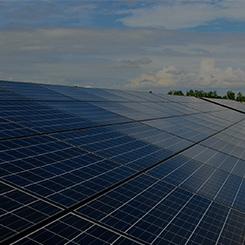
- Scaling up renewable generation: Increasing the number of wind farms, solar farms, and hydroelectric projects across the country.
- Grid upgrades: Programs like the Federal Government’s Rewiring the Nation will overhaul the electricity grid to handle higher volumes of renewable energy.
- Energy storage: Enhanced battery technology and other energy storage solutions will help ensure the reliability of renewable power.
This shift isn’t just a policy initiative – it’s a reimagining of how Australia produces and consumes energy.
How this target will impact businesses
The renewable energy transition will create both opportunities and challenges for businesses. Here’s what you need to know:
Opportunities for businesses
- Lower energy costs
Renewables like solar and wind are already some of the cheapest energy sources available. In fact, behind the meter solar and storage is potentially the lowest cost of energy and a worthy part of a total site Net Zero Plan. As renewable and storage penetration increases, electricity prices are expected to stabilise and become more affordable in the long run - Access to incentives
Governments at all levels are offering subsidies, grants, and tax breaks to businesses that adopt renewable technologies or improve energy efficiency. This includes programs to help businesses install solar panels, purchase batteries, or electrify their operations. The opportunity for business is to integrate government incentives into their overall financial planning process. - Enhanced reputation
Sustainability is no longer just a “nice-to-have.” Customers, investors, and other stakeholders increasingly expect businesses to prioritise sustainability. Embracing renewables can differentiate your business, attract environmentally conscious customers, and enhance brand loyalty. - Future-proofing your operations
Acting now to align with renewable energy targets can reduce your exposure to future risks, such as rising carbon taxes, stricter environmental regulations, or energy supply disruptions. - Demand response
The variability of renewable energy means that being able to shed load or export from solar or storage back to the grid at short notice can be a substantial income generator. Aggregated together these Virtual Power Plants is a fast-growing component for the grid.
Challenges to be aware of
- Upfront costs
Transitioning to renewable energy – whether through on-site solar, battery storage, or electrification – requires initial investment. This investment into transitioning will come with some financial risk, however, these costs often pay off in reduced operational expenses over time. - Infrastructure readiness
While programs like Rewiring the Nation aim to modernise the grid, businesses may face short-term challenges as the grid adapts to increased renewable capacity. This could include fluctuations in energy reliability or supply. - Policy complexity
The energy landscape is evolving rapidly, with new policies, programs, and incentives being introduced frequently. Keeping up-to-date will be crucial for businesses looking to maximise benefits.
Key takeaways for businesses
- Renewables are becoming the new normal: With costs decreasing and support increasing, transitioning to renewable energy is not just a moral choice but a sound business decision.
- Sustainability is a competitive advantage: Demonstrating your commitment to renewable energy can strengthen your market position and appeal to eco-conscious stakeholders.
- Planning is essential: Businesses that proactively plan for this shift – whether by investing in renewables, improving energy efficiency, or leveraging incentives – will be best positioned for success.
- We can do a lot more now: With available technology, we could be doing a lot more to accelerate our emissions reduction and make the transition to renewables before the deadlines.
The CCA also stated; “Working to reduce emissions now, using existing technologies, is for more efficient and effective than waiting and hoping that bigger breakthroughs will do all the work”.
How Northmore Gordon can help
Navigating this energy transition can be complex, but you don’t have to do it alone. At Northmore Gordon, we specialise in helping businesses reduce emissions, improve energy efficiency, and access renewable energy opportunities.
We can assist with
- Identifying and accessing government incentives to make your transition more affordable.
- Developing energy and sustainability strategies tailored to your operations.
- Implementing renewable energy solutions that align with your goals and budget.
Let’s make the most of the 2030 Target
Australia’s renewable energy target isn’t just a government mandate – it’s a game-changer for businesses. By acting now, you can reduce costs, stay ahead of regulations, and position your business as a leader in sustainability.
If you’re ready to embrace the future of energy or want to understand how the 2030 target impacts your business, let’s start the conversation. Together, we can turn these changes into opportunities.
Contact Hamish McGovern at h.mcgovern@northmoregordon.com to find out more.